Portable Toilets for Indoor Use: Convenient Solutions for Every Home
Finding a bathroom when you need it most can be stressful. What if you have a sick family member upstairs, a small child in potty training, or you’re remodeling your only bathroom? Needing to run far, climb stairs, or wait your turn is frustrating. People often ask: isn’t there an easier way to handle this indoors?
Let’s explore portable toilets for indoor use—how they work, what types exist, and how to pick the best one for your home.
Why Choose A Portable Toilet For Indoors?
Traditional bathrooms are not always available or convenient. Maybe you live in a small space, share one bathroom with many people, or have guests staying overnight. Here’s why more people are bringing portable toilets indoors:
- Elderly care: Moving to a distant bathroom is risky for seniors.
- Children: Young kids sometimes can’t wait or reach the bathroom.
- Medical recovery: After surgery, walking to a bathroom can be painful.
- Remodeling: When your main bathroom is out of order, you need a backup.
- Tiny homes or RVs: Space is limited, but the need is the same.
Portable toilets give you a simple, clean, and private solution—right where you need it.
Types Of Portable Toilets For Indoor Use
Not all portable toilets are the same. Each type fits a different situation. Here are the most popular ones:
1. Commode Chairs
These look like simple chairs with a bucket below. They’re ideal for bedrooms or near beds.
- Easy to move
- Armrests for support
- Often used for elderly or sick people
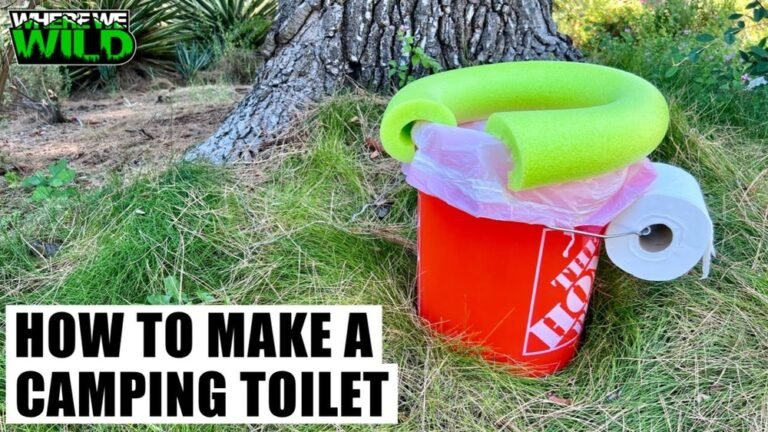
2. Bucket Toilets
Just as it sounds—a sturdy bucket with a seat and lid. Some use special bags for easy cleaning.
- Low-cost
- Lightweight
- Good for emergencies
3. Cassette Toilets
These are more advanced, with a waste tank you can slide out and empty.
- Sealed tanks to control odor
- Comfortable seating
- Used in RVs and small apartments
4. Chemical Toilets
These toilets use chemicals in the waste tank to break down solids and block smells.
- Reduces bad odors
- Good for longer indoor use
- Needs special chemicals
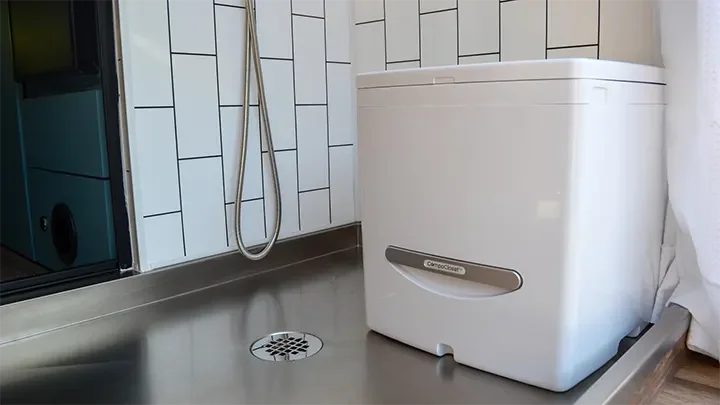
5. Composting Toilets
Instead of water, these use sawdust or coconut fiber to turn waste into compost.
- Eco-friendly
- No water needed
- Requires regular emptying
Credit: compocloset.com
Key Features To Consider
Choosing the right indoor portable toilet means thinking about your needs and space. Here’s what matters most:
Size And Weight
- Is the toilet easy to move?
- Will it fit in your room or closet?
- Lightweight models are easier to carry.
Waste Capacity
- How much can it hold before emptying?
- For bigger families, a larger tank saves trips.
Odor Control
- Does it have a lid that seals well?
- Are chemicals or compost materials included?
Ease Of Cleaning
- Are all parts washable?
- Can you remove the tank or bucket easily?
Comfort
- Is the seat height right for you?
- Does it have armrests or back support?
Price
Prices can range from $30 for a basic bucket to $300+ for a high-end cassette toilet.
Here’s a quick look at how different types compare:
| Type | Typical Price Range | Best For | Key Feature |
|---|---|---|---|
| Commode Chair | $40–$120 | Elderly, disabled | Easy access |
| Bucket Toilet | $30–$60 | Emergencies, kids | Simple design |
| Cassette Toilet | $100–$300+ | RVs, apartments | Odor control |
| Chemical Toilet | $70–$200 | Long-term use | Deodorizing |
| Composting Toilet | $150–$400+ | Eco-friendly homes | Waterless |
Top Portable Toilets For Indoor Use
Let’s look at some popular models people use at home.
1. Drive Medical Steel Commode Chair
Strong, has a removable bucket, and easy to clean. Many hospitals use this for patients.
2. Luggable Loo Bucket Toilet
Simple, tough, and cheap. Works well for quick needs. You can use disposable bags for less mess.
3. Thetford Porta Potti Cassette Toilet
Sealed waste tank and a comfortable seat. It has a carrying handle for moving between rooms.
4. Camco Standard Portable Chemical Toilet
Holds up to 5 gallons. Uses chemicals to control smells, with a flushable water tank.
5. Nature’s Head Composting Toilet
Turns waste into compost using coconut coir. No water or chemicals needed. Great for green homes.
Credit: storageandcanopy.com
How To Use A Portable Toilet Safely Indoors
Cleanliness and safety matter when using a toilet inside. Here’s how to avoid common problems:
- Place it on a flat surface to prevent tipping.
- Use liners or bags for easier waste removal.
- Empty the tank or bucket daily to reduce smells.
- Wash hands after every use—keep hand sanitizer nearby.
- Disinfect the toilet weekly with mild cleaners.
Pro tip: Don’t pour waste into home sinks or bathtubs. Always use a regular toilet or follow your city’s guidelines for disposal.
Where To Put A Portable Toilet Indoors
Location makes a big difference. Choose a spot that’s:
- Private, like a corner or closet
- Close to the person who needs it most
- Away from food or cooking areas
- Well-ventilated if possible
Some people add a screen or curtain for privacy.

Credit: askjan.org
Comparing Indoor Portable Toilets: What Matters Most
Here’s a look at what people care about most:
| Feature | Commode Chair | Bucket Toilet | Cassette Toilet | Chemical Toilet | Composting Toilet |
|---|---|---|---|---|---|
| Odor Control | Low | Low | High | High | Medium |
| Ease of Cleaning | Medium | High | Medium | Medium | Low |
| Comfort | High | Low | High | Medium | High |
| Best For | Elderly | Emergencies | Daily Use | Long-term | Eco-living |
Practical Tips For First-time Buyers
Don’t just buy the cheapest option. Think about who will use it, how often, and how easy it is to empty and clean.
- Test the seat height: Make sure it’s comfortable to sit and stand.
- Check for replacement parts: Some models have special liners or tanks.
- Read real reviews: Learn from other buyers who used it indoors.
- Store supplies nearby: Keep liners, toilet paper, and hand sanitizer close.
Non-obvious insight: Many indoor users forget about noise. Cassette and chemical toilets can make a “whoosh” sound when emptied or flushed. If you need quiet at night, a simple bucket or commode chair is more silent.
Another common mistake: not planning for odor. Even good toilets can smell if left too long. Use baking soda, charcoal bags, or recommended chemicals to help.
Portable Toilet Maintenance: What Owners Miss
Many people only clean the seat and forget the base and handles. Germs can spread fast indoors. Every few days, wipe the whole unit with a disinfectant. Check for leaks, especially around seals and lids.
Pro tip: For composting toilets, keep a small container of sawdust or coconut fiber nearby. Add a scoop after each use to help break down waste and block smells.
Don’t forget to empty the tank or bucket regularly—even if it’s not full yet. Waiting too long makes cleaning harder and increases odor.
Common Mistakes To Avoid
- Placing the toilet in a busy area
- Skipping daily cleaning
- Ignoring leaks or cracks
- Using outdoor-only chemicals (some are not safe indoors)
- Forgetting to check weight limits (important for larger adults)
Real-world Examples
- A woman recovering from knee surgery used a cassette toilet in her bedroom for three weeks. She said it gave her privacy and confidence to recover faster.
- Parents of twins placed a bucket toilet in the playroom during potty training. They reported fewer accidents and less stress.
- An elderly couple put a commode chair next to their bed. It reduced nighttime falls and made caregiving easier.
Environmental Impact
Most indoor portable toilets use less water than standard toilets. Composting models are especially eco-friendly—they don’t use water or harsh chemicals. Some cities allow you to compost solid waste, but always check local rules first.
According to the Wikipedia article on portable toilets, modern designs have improved waste handling and odor control, making them safer for indoor use than older models.
When Not To Use A Portable Toilet Indoors
Portable toilets are helpful, but not always right. Avoid using one if:
- You cannot empty or clean it safely
- There are children or pets who might tip it over
- There’s no private space or ventilation
If you have a medical condition that requires a flush toilet, ask your doctor before switching.
Frequently Asked Questions
What Is The Best Portable Toilet For Indoor Use?
The best choice depends on your needs. For seniors or those with mobility issues, a commode chair is often best. For families or long-term use, a cassette or chemical toilet offers better odor control.
How Often Should I Empty A Portable Toilet Indoors?
Every day is ideal, or whenever it’s half-full. Emptying often keeps smells away and makes cleaning easier.
Are Portable Toilets Safe For Apartments?
Yes, if you follow cleaning and disposal rules. Use bags or liners and empty waste into your main toilet or as your city recommends.
How Can I Reduce Odor From An Indoor Portable Toilet?
Use recommended chemicals, baking soda, or charcoal bags. Also, empty the toilet daily and keep the area ventilated.
Do I Need Special Permission To Use A Portable Toilet Indoors?
Usually, no. But if you live in a rental or shared building, check your lease or building rules first.
—
Portable toilets for indoor use can make life easier and less stressful. By choosing the right type, keeping it clean, and planning ahead, you’ll solve those bathroom challenges with confidence and comfort.