Composting Toilet Vs Outhouse: Which Is Best for Off-Grid Living?
Many people want a simple, eco-friendly way to manage waste, especially off-grid or in rural areas. But choosing the right system is confusing. Composting toilets sound modern, but are they messy? Outhouses are classic, but are they really safe or comfortable? Bad smells, flies, maintenance, and local rules can turn this decision into a real headache. If you’ve ever worried about cost, hygiene, or just want a toilet that works without running water, you’re not alone.
Let’s break down the real differences between composting toilets and outhouses—so you can make the best choice for your home, cabin, or camp.
What Is A Composting Toilet?
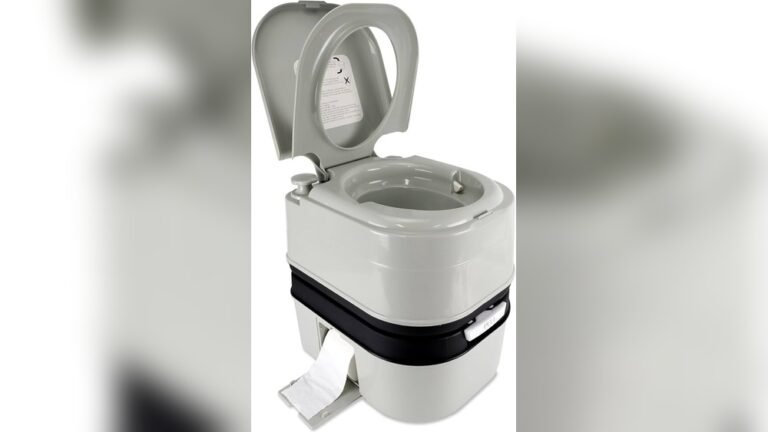
A composting toilet is a dry toilet that turns human waste into compost. It uses no water or very little. Instead, it separates solids and liquids, mixes in carbon-rich material (like sawdust), and lets bacteria break down the waste. After a few months, what’s left is safe, crumbly compost.
How It Works:
- You do your business into a special chamber.
- Add dry material (such as sawdust) to cover.
- Microbes break down the waste.
- Air vents remove moisture and odors.
- Finished compost is removed every few months.
Key Features:
- Needs little or no water.
- Can be installed inside or outside.
- Uses fans or vents to control smell.
- Some models have urine-diverting systems.
Common Uses:
- Off-grid cabins
- Tiny homes
- Boats and RVs
- Homes in dry areas
What Is An Outhouse?
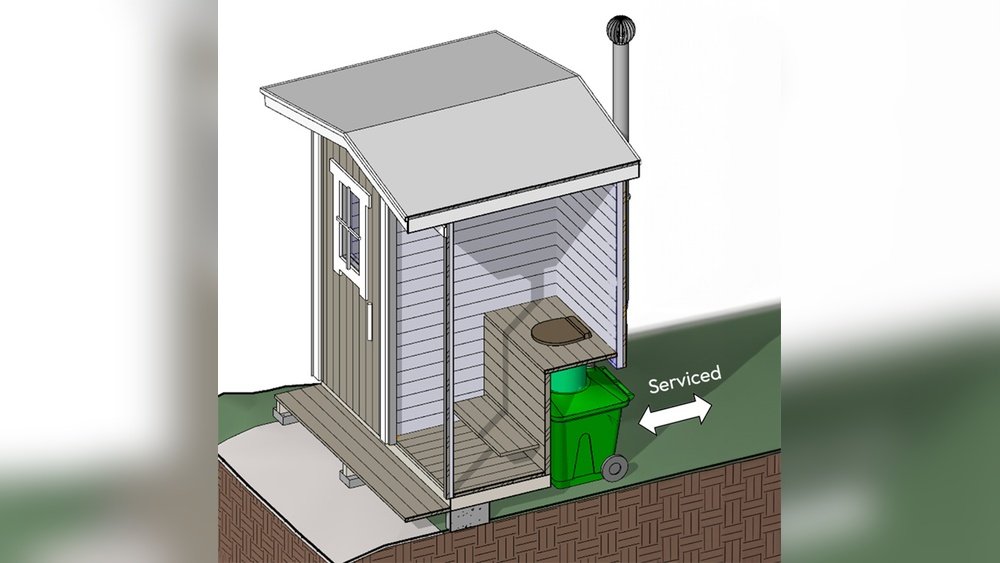
An outhouse is a simple outdoor toilet. It’s usually a small shed built over a deep hole in the ground (the pit). When you use it, waste drops into the pit and stays there until it is full. Then you move the shed and dig a new pit.
How It Works:
- You sit or squat over a hole.
- Waste goes straight into the pit.
- Lime or ash may be added to control smell.
- When the pit is full, cover it with soil and dig a new one.
Key Features:
- No plumbing or water needed.
- Always outside the main building.
- Very basic structure (often wood).
- Can last several years before moving.
Common Uses:
- Rural homes
- Campsites
- Outdoor work sites
- Farms
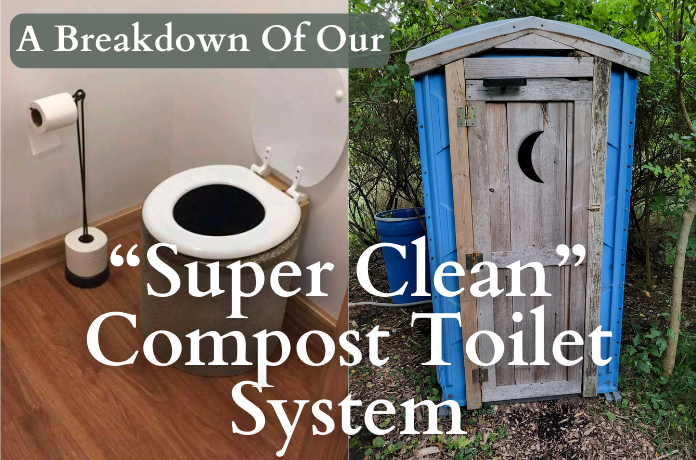
Credit: midwestpermaculture.com
Composting Toilet Vs Outhouse: Side-by-side Comparison
Here’s a quick look at how these two systems stack up:
| Feature | Composting Toilet | Outhouse |
|---|---|---|
| Location | Indoors or outdoors | Always outdoors |
| Odor Control | Excellent, with proper use | Poor to moderate |
| Water Needed | None or very little | None |
| Compost Output | Yes, usable compost | No, waste remains in pit |
| Maintenance | Regular (emptying chamber) | Low (move when full) |
| Legal in Cities | Sometimes | Rarely |
| Cost (Setup) | Medium to high | Low |
Cost Comparison
Cost is a big factor for most people. Let’s look at how much you might spend on each system.
| Type | Initial Cost | Ongoing Cost (Yearly) |
|---|---|---|
| Composting Toilet | $800 – $2,000 (for ready-made units) | $30 – $100 (for bulking material, small parts) |
| Outhouse | $100 – $500 (DIY materials) | Very low (lime or ash, rare pit moving) |
Composting toilets cost more at first but have low running costs. Outhouses are cheap to build but may need a new pit after a few years.
Environmental Impact
People often choose these toilets to help the environment. But there are important differences.
Composting Toilets:
- Turn waste into safe compost (if managed well).
- Don’t pollute groundwater.
- Use little or no water.
- Reduce need for chemical fertilizers.
Outhouses:
- Risk of waste leaking into ground water (if pit is not lined or too close to water sources).
- No useful compost is made.
- Can attract flies and animals.
- Don’t use water.
A surprising fact: The EPA says that pit toilets can pollute wells if the water table is high or the soil is sandy. Composting toilets, if done right, are much safer for the environment.
Odor And Hygiene
No one wants a smelly bathroom! Here’s what you should know:
Composting Toilets:
- Properly managed, they produce almost no smell.
- Fans and vents move odors outside.
- Adding sawdust after use helps.
- Must be emptied regularly to stay clean.
Outhouses:
- Often smell bad, especially in hot weather.
- Flies are common.
- Lime or ash can help, but not always.
- Pit can overflow after heavy rain.
One insight many miss: Even a good outhouse can smell if the door doesn’t face the wind. Composting toilets give you more control over smell, especially indoors.
Ease Of Use And Comfort
Daily use matters. Let’s compare the real-life experience.
Composting Toilets:
- Can be used indoors—private, warm, and safe.
- Feels like a normal toilet.
- Easier for kids and older adults.
- Sitting position is comfortable.
Outhouses:
- Always outside—cold in winter, hot in summer.
- Less privacy (spiders, animals, bugs).
- Seat can be rough or worn.
- Not ideal for children or people with mobility issues.
A small detail: Composting toilets often have a step, which can be tricky for some users. Outhouses are simple but can be hard to use at night or in storms.
Installation And Maintenance
Both systems are DIY-friendly, but have different needs.
Composting Toilets:
- Some units are plug-and-play.
- Need space for a vent pipe.
- Some models require electricity (for fans).
- Empty solid waste every few months.
- Must add bulking material (like sawdust) after each use.
Outhouses:
- Dig a deep pit (at least 4–6 feet).
- Build a small shed over the pit.
- Add lime or ash sometimes.
- When pit is full, move the shed and fill in the old pit.
A common mistake: People put outhouses too close to wells or water sources, which can lead to contamination. Always check local rules before building.
Rules And Legal Issues
Not every place allows composting toilets or outhouses. Here’s what you need to know:
- Composting toilets are sometimes allowed in cities, especially for off-grid homes or tiny houses. You may need a permit.
- Outhouses are often banned in towns and cities, mostly for health reasons.
- Both may be restricted near lakes, rivers, or wells.
Always check with your local health department before building. Some regions have clear rules; others do not. You can find more details at the EPA’s official site.
Who Should Choose A Composting Toilet?
Composting toilets are a good choice if you:
- Want an indoor toilet for year-round comfort.
- Care about the environment and want to make compost.
- Can handle regular emptying and adding bulking material.
- Live in a place where local rules allow them.
- Are willing to spend more for better hygiene and comfort.
Pro tip: They are perfect for tiny homes, boats, and cabins—especially where water is limited.
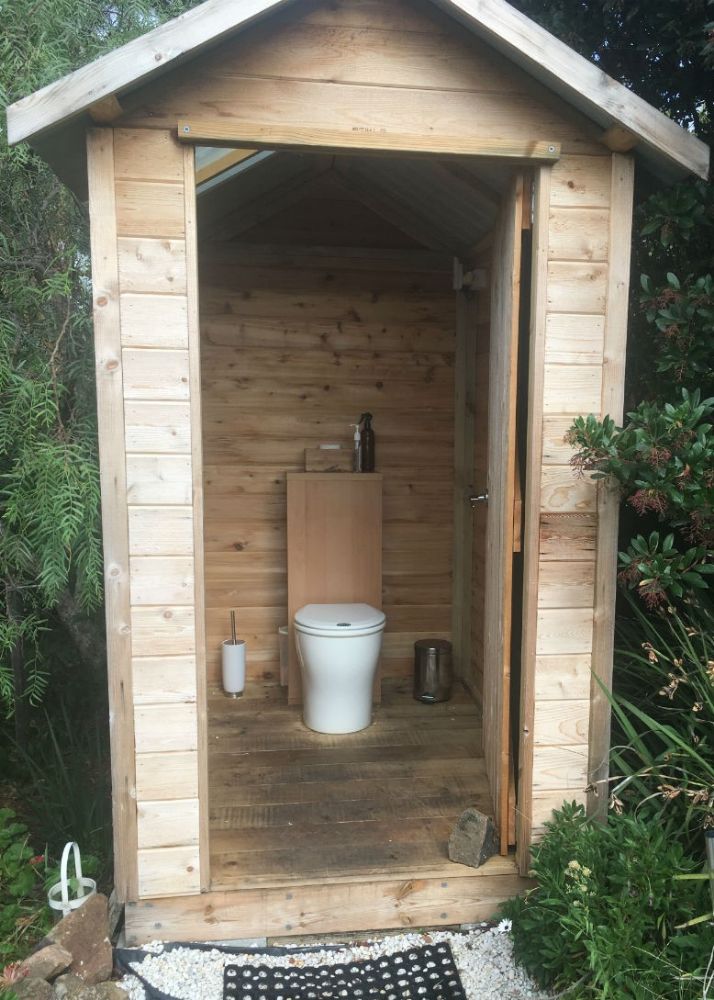
Credit: www.wctnz.co.nz
Who Should Choose An Outhouse?
Outhouses make sense if you:
- Need a very cheap, simple solution.
- Only use the toilet seasonally (like hunting cabins).
- Have space to dig new pits far from water sources.
- Don’t mind going outside in all weather.
- Live where outhouses are legal.
A non-obvious insight: Outhouses are often the only option in very remote places with no power, but they need careful siting to avoid environmental harm.
Common Problems And How To Solve Them
Composting Toilets:
- Too wet? Add more dry material.
- Bad smell? Check the vent; add more sawdust.
- Bugs? Keep the chamber closed and clean up spills quickly.
- Clogs? Don’t add trash, diapers, or lots of toilet paper.
Outhouses:
- Smell too strong? Add lime or wood ash after each use.
- Flies? Keep seat lid closed; use fly traps.
- Pit filling fast? Encourage users to pee outside if allowed.
- Flooding? Build on high ground, away from streams or wells.
Real-life Examples
Case 1: Off-Grid Family in Maine
A family living off the grid switched from an outhouse to a composting toilet. They found the indoor composting toilet much warmer in winter and noticed fewer odors. They also liked using the finished compost on their flower beds.
Case 2: Summer Camp in Michigan
A summer camp with 10 outhouses had problems with flies and smells. They moved to composting toilets for staff cabins. The result: fewer complaints, less maintenance, and better hygiene.
Case 3: Remote Hunting Cabin
A group of hunters kept an old outhouse because it was cheap and easy. But after a rainy season, the pit overflowed and they had to dig a new one, further from their water source.
Quick Pros And Cons
Here’s a fast summary:
Composting Toilet Pros:
- Indoor use
- Low odor
- Makes compost
- More hygienic
Composting Toilet Cons:
- Higher initial cost
- Needs regular emptying
- Some models need power
Outhouse Pros:
- Very low cost
- Simple design
- No power or parts needed
Outhouse Cons:
- Outdoor only
- Can smell bad
- Can pollute groundwater
Comparison At A Glance
| Factor | Best Choice | Why |
|---|---|---|
| Comfort | Composting Toilet | Indoor, warm, private |
| Lowest Cost | Outhouse | Simple, cheap materials |
| Best for Environment | Composting Toilet | Safe compost, no pollution |
| Least Maintenance | Outhouse | Move pit every few years |
| Urban Use | Composting Toilet | Legal in more places |
Final Thoughts
Both composting toilets and outhouses offer simple, off-grid waste solutions. If you want a system that’s eco-friendly, comfortable, and can be used indoors, a composting toilet is the clear winner. If you just need a cheap, outdoor option for a few weeks each year, an outhouse may be enough. Whichever you choose, plan carefully—your health, comfort, and the environment all depend on getting it right.

Credit: www.virginiaplaces.org
Frequently Asked Questions
What Is The Main Difference Between A Composting Toilet And An Outhouse?
A composting toilet turns waste into compost using bacteria, air, and dry material. An outhouse is a simple toilet over a pit, where waste stays in the ground until the pit is full.
Are Composting Toilets Really Odor-free?
If used right, composting toilets have almost no smell. Good airflow and adding sawdust or other material after each use are key.
Can I Build An Outhouse Anywhere?
No. Many towns and cities ban outhouses for health reasons. Always check local rules before building.
Is The Compost From A Composting Toilet Safe To Use?
Yes, if the system works well and waste breaks down fully. Most people use the compost on flowers or trees, not food plants.
Which Is Cheaper In The Long Run?
An outhouse costs less to build. But a composting toilet may save money over time, especially if you use the compost and avoid water or sewage fees.