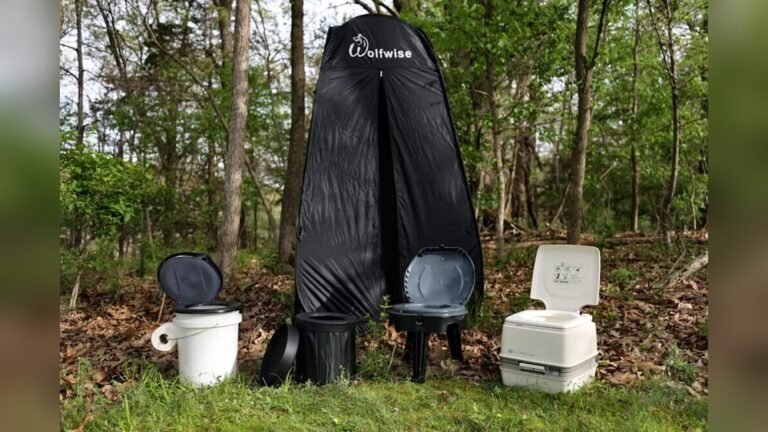
Portable Toilet Vs Bucket Toilet Difference: Which Is Better?
Camping in the middle of nowhere feels magical—until you need a bathroom. Long lines, dirty outhouses, or no toilet at all can turn a fun trip into a nightmare. If you’ve ever tried digging a hole in hard ground at night or worried about privacy, you know the struggle. Choosing between a portable toilet and a bucket toilet isn’t just about comfort—it’s about making outdoor life easier, safer, and less stressful.
When you’re camping, on the road, or preparing for emergencies, having the right toilet matters. You want something simple to use, easy to clean, and not too heavy. But with so many options, it’s hard to know what’s really best for you. Let’s look closely at portable toilets and bucket toilets—their differences, benefits, downsides, and how to pick the right one.
What Is A Portable Toilet?
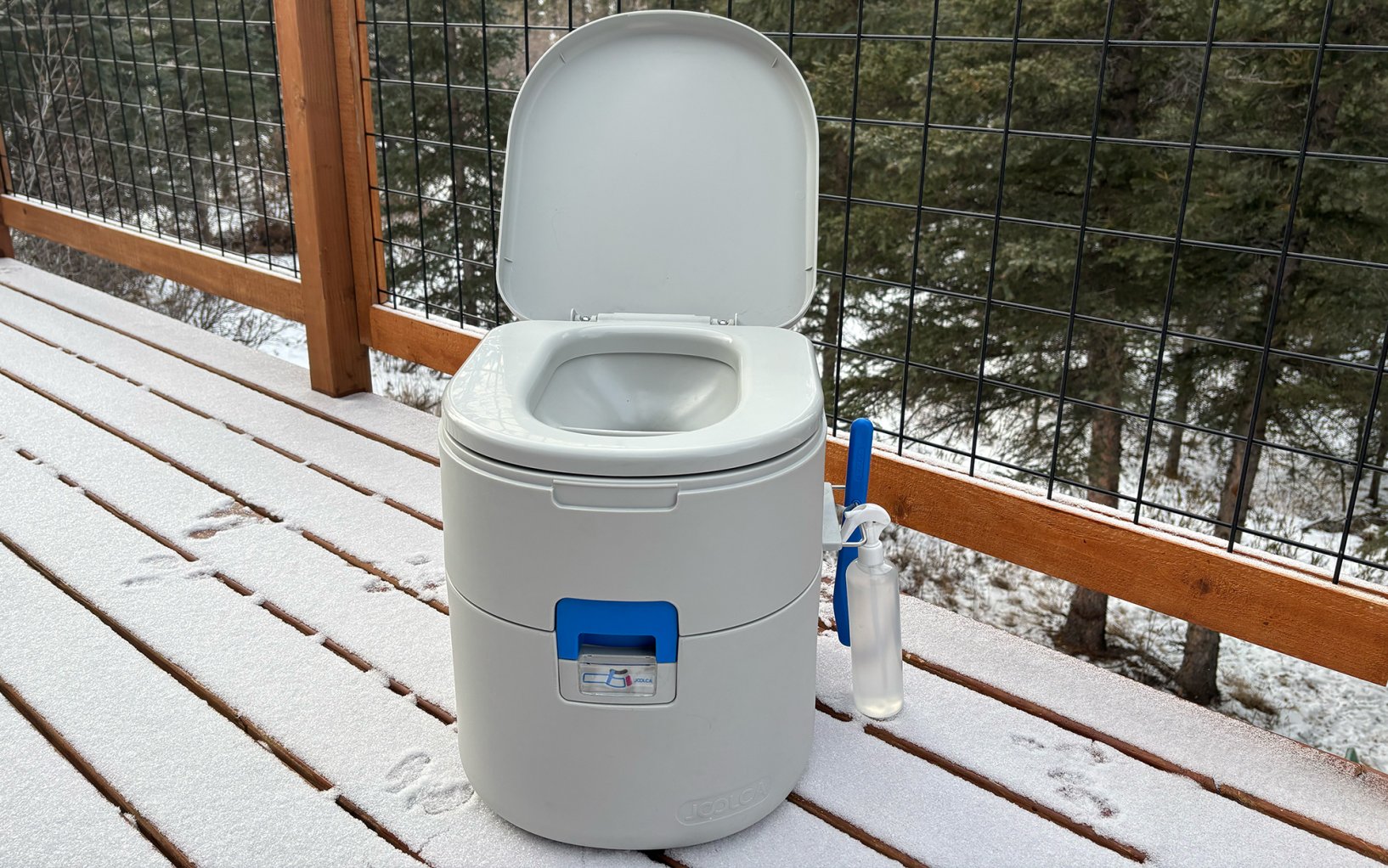
A portable toilet is a self-contained unit that you can move and set up almost anywhere. It usually has a seat, lid, and a holding tank for waste. These toilets can use water to flush and may include chemicals to reduce smell. Some look a lot like a regular home toilet, just smaller and lighter.
Portable toilets are popular for:
- Camping trips
- RVs and boats
- Construction sites
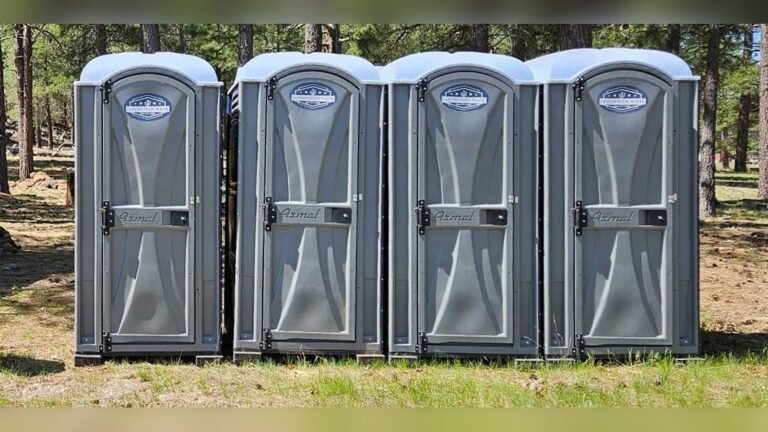
- Large outdoor events
- Disaster preparedness
They are meant to give you a more comfortable, private bathroom experience away from home.
What Is A Bucket Toilet?
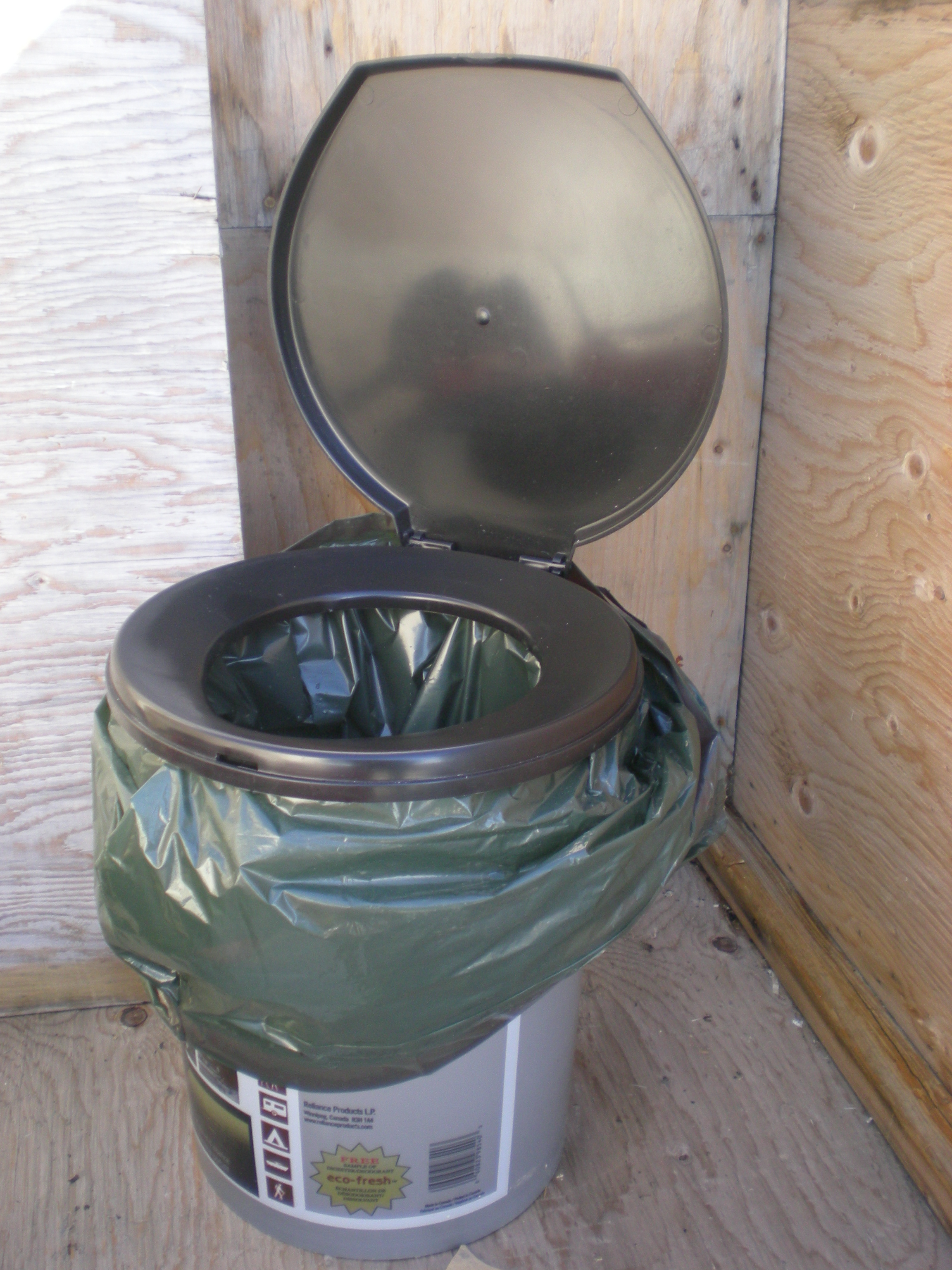
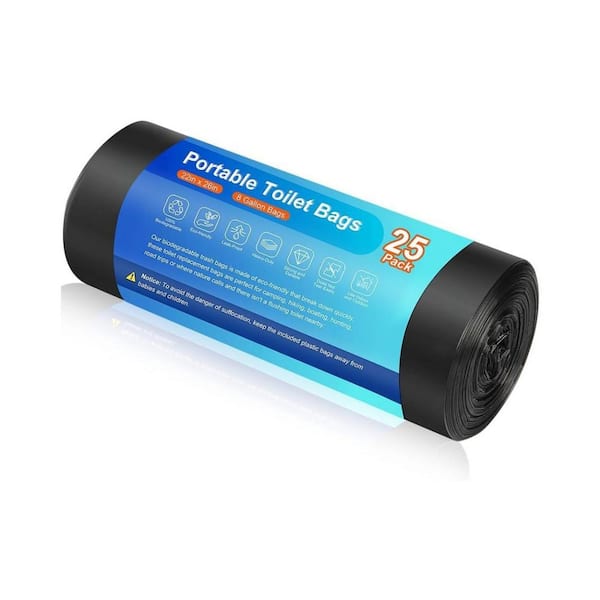
A bucket toilet is a much simpler setup. It’s usually a 5-gallon plastic bucket with a toilet seat or snap-on lid. You can line it with a bag, use absorbent materials (like kitty litter or sawdust), and empty it when full.
Bucket toilets are common for:
- Short camping trips
- Emergency situations
- Off-grid living
- Festivals or outdoor gatherings
They are very basic, with no flushing or built-in odor control, but they get the job done when you have no other option.
Key Differences: Portable Toilet Vs Bucket Toilet
Understanding the main differences helps you choose wisely. Here’s a side-by-side comparison:
| Feature | Portable Toilet | Bucket Toilet |
|---|---|---|
| Structure | Seat, lid, water tank, waste tank | Bucket, seat/lid, bag liner |
| Flushing | Manual or electric flush | No flush |
| Odor Control | Chemicals or seals | Sawdust, litter, bags |
| Emptying | More complex, less frequent | Very simple, more frequent |
| Cost | Usually $60–$150 | Usually $15–$40 |
| Comfort | Higher | Basic |
Construction And Design
Portable toilets are built for comfort and look similar to home toilets. They have two tanks—one for fresh water and one for waste. Many use chemicals to break down waste and reduce odor.
Bucket toilets are as simple as it gets. A plastic bucket with a seat and bag can be set up in minutes. There’s no flush, no water tank, and no moving parts.
Odor Management
Odor can ruin your outdoor bathroom experience. Portable toilets use chemicals or tight seals to trap and reduce bad smells. Bucket toilets rely on absorbent materials (like sawdust or special gels) to cover up odors, but these aren’t as effective for long periods.
Waste Disposal
With a portable toilet, you can empty the waste tank into a proper toilet or dump station. This might be unpleasant, but you do it less often because the tank is bigger.
Bucket toilets fill up faster. You remove the liner bag, tie it up, and throw it in the trash. It’s quick, but you need to do it more often—sometimes daily.
When Should You Choose A Portable Toilet?
Think about your needs and plans. Portable toilets are a better fit if:
- Comfort is a priority. The seat is higher, and the flush feels familiar.
- You’ll stay longer in one place. Waste tanks hold more, so you empty them less.
- You want better odor control. Chemicals keep smells down, even in hot weather.
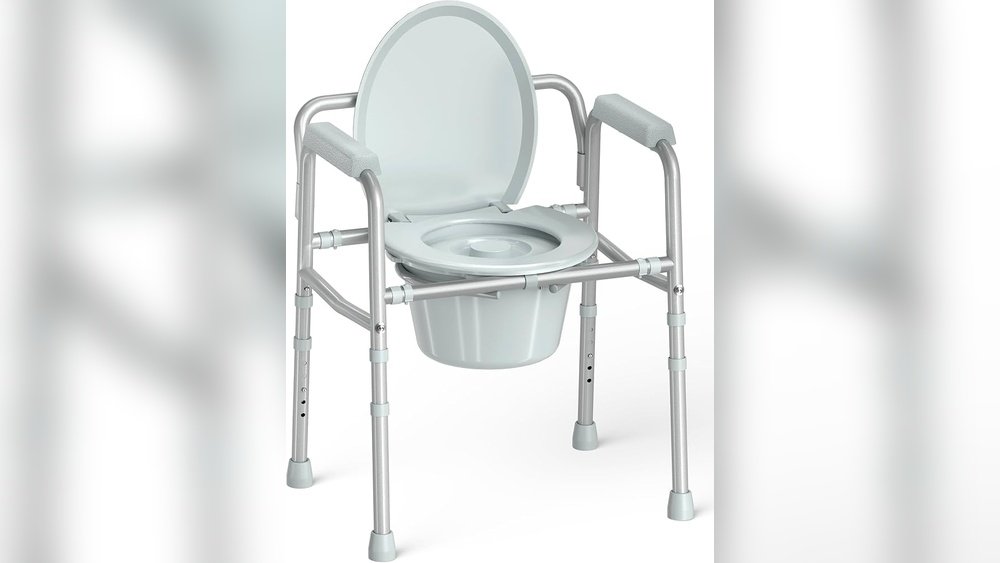
- There are kids, elderly, or people with limited mobility. The design is safer and easier to use.
- You camp with a group. Sharing is easier and more hygienic.
People who use them for a week-long family camping trip or in an RV notice less hassle, especially when kids are involved.
Non-obvious insight: Most people don’t realize that using the right chemicals in portable toilets can extend the time between cleanings and even reduce the risk of insects.
Credit: en.wikipedia.org
When Is A Bucket Toilet Enough?
Bucket toilets work best for:
- Short trips or emergencies. If you’re camping for a night or preparing a basic emergency kit, this is a cheap and simple solution.
- Solo travelers or couples. Less waste means less frequent emptying.
- Remote locations. If you need to pack everything in and out, bucket toilets are light and take up little space.
- Tight budgets. They cost less and need no extra supplies, except bags or absorbents.
For one or two nights in the wild, a bucket toilet is often all you need.
Non-obvious insight: Using double bags (one inside another) greatly reduces leaks and makes disposal much cleaner—a trick many beginners miss.
Comparing Comfort And Privacy
Comfort isn’t just about the seat. It’s about feeling clean and safe, too.
- Portable toilets have higher seats and may offer a splash guard, making them better for people with knee or back issues.
- Bucket toilets can be low to the ground and feel unstable, especially on uneven surfaces.
For privacy, both work best with a small tent or privacy shelter. However, the size and shape of portable toilets make them easier to use inside these tents.
Credit: www.homedepot.com
How Easy Are They To Clean?
Cleaning is a big concern. With portable toilets, you need to empty a sealed waste tank. This can be heavy and sometimes leaks if not handled right. Using gloves and proper dump stations is a must.
Bucket toilets are simple. Remove the bag, tie it off, and toss it in a trash bin. Disinfect the bucket after each use, especially if you’re sharing. But remember, some campgrounds won’t let you throw human waste in regular trash—even if it’s bagged.
Portability And Storage
Both options are portable, but there’s a difference:
| Type | Weight | Size | Setup |
|---|---|---|---|
| Portable Toilet | 10–15 lbs (with tanks empty) | Bulkier | Ready to use, just add water and chemicals |
| Bucket Toilet | 2–4 lbs | Compact, stackable | Snap on seat, add liner |
Bucket toilets win for lightweight travel. You can stack several buckets for a group, or store them easily in a closet or car trunk.
Cost Breakdown And Long-term Value
Portable toilets cost more upfront—most good models are $60–$150. You’ll also buy chemicals and sometimes special toilet paper.
Bucket toilets are cheaper, usually $15–$40. Maintenance costs include plastic bags and absorbent materials, but these are not expensive.
Over time, if you camp often or host outdoor events, a portable toilet may save you time and stress. For rare use or emergencies, bucket toilets are more cost-effective.
Environmental Impact
Environmental rules matter, especially in parks and forests. Some areas require you to pack out all waste.
- Portable toilets: Can use eco-friendly chemicals, and waste is easier to empty at a dump station.
- Bucket toilets: Use compostable bags or bio-gels, which can be thrown away if allowed.
Critical tip: Never bury human waste in places where it’s not allowed. Always check local rules before you travel.
Credit: www.outdoorlife.com
Durability And Maintenance
A well-made portable toilet can last for years if cleaned and stored properly. Moving parts can break, but most brands sell replacements.
A bucket toilet is almost indestructible, but the seat or lid might wear out. Replacements are cheap and easy to find.
If you’re rough on gear or need something for long-term use, a sturdy portable toilet is a better investment.
Common Mistakes And How To Avoid Them
- Not checking local rules. Some parks ban bagged waste, others require sealed tanks.
- Using thin bags in bucket toilets. They often leak—double up.
- Ignoring cleaning schedules. Waiting too long leads to odor and mess.
- Skipping chemicals in portable toilets. This causes bad smells and clogs.
- Overloading the toilet. Both types have limits; empty before full.
Real-life Scenarios
- Family camping: A portable toilet keeps everyone happy, especially at night.
- Solo hiking: Bucket toilets save space and weight.
- Emergency kits: Bucket toilets are cheap, light, and easy to store.
- Boating or RV travel: Portable toilets are almost always better for frequent use.
Which One Should You Buy?
Ask yourself:
- How often will you use it?
- How important is comfort and odor control?
- How much space and weight can you carry?
- What’s your budget?
- Are there any local rules about waste disposal?
If you need a toilet for regular camping, families, or longer trips, choose a portable toilet. For backup, emergencies, or short solo trips, a bucket toilet is enough.
If you want to learn more about portable sanitation standards and waste disposal, check the Portable Toilet Wikipedia page for extra details.
Frequently Asked Questions
What Is The Main Difference Between A Portable Toilet And A Bucket Toilet?
A portable toilet has a flushing system and waste tank, offering more comfort and odor control. A bucket toilet is a simple bucket with a seat and bag—no flush, just basic waste collection.
Can I Use Regular Trash Bags In A Bucket Toilet?
You can, but it’s better to use thick or double bags to avoid leaks. Some people use compostable bags for easier disposal.
Are Portable Toilets Hard To Clean?
They take more effort than a bucket toilet. You empty the waste tank at a dump station, rinse, and add chemicals. It’s important to follow instructions to avoid mess or damage.
Is A Bucket Toilet Allowed Everywhere?
No, some parks or events do not allow bagged waste. Always check local rules before you go. Sometimes you’ll need to use a sealed portable toilet instead.
Which Type Is Better For Emergencies?
A bucket toilet is best for emergency kits—it’s cheap, light, and easy to store. But for longer-term use, a portable toilet is more comfortable and sanitary.
Choosing the right toilet means fewer worries and a better experience outdoors or in emergencies. Think about your needs, follow local rules, and stay prepared.