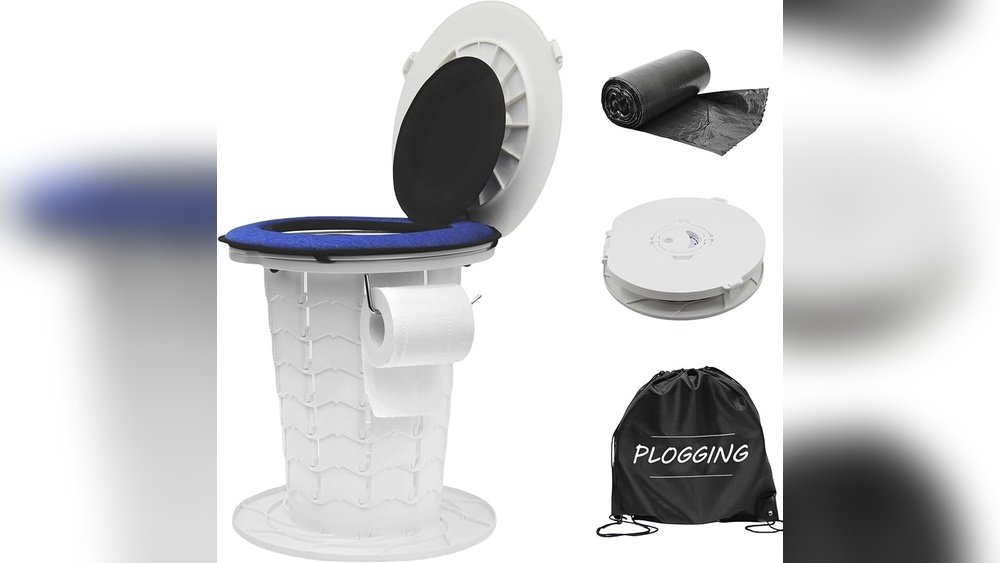
Can Kids Use Camping Toilets? Safety Tips Every Parent Should Know
Family camping trips can be full of joy and adventure—until nature calls. If you’ve ever watched a child panic about using a hole in the ground, or run to the nearest bush with crossed legs, you know the frustration. Public toilets at campsites can be dirty, far away, or even closed at night. For parents, this quickly turns a relaxing getaway into a stressful challenge. The question comes up: Can kids use camping toilets? And if so, how do you make it work without mess, tears, or regrets?
Parents want their children to stay comfortable and safe outdoors. Using a camping toilet is supposed to offer privacy and convenience, but it’s not always as easy as it sounds. Kids are smaller, have different needs, and might find portable toilets strange or even scary.
This article breaks down everything you need to know about kids and camping toilets—so you can avoid surprises and focus on family fun.
Why Camping Toilets Matter For Kids
Camping is about freedom, fresh air, and exploring nature. But kids need clean, safe toilets for their health and comfort. Not all campsites have child-friendly toilets. Sometimes, there are no toilets at all, especially if you’re wild camping or hiking.
Why should you care about portable toilets for kids?
- Public toilets can be dirty or broken.
- Nighttime bathroom trips can be scary and dangerous.
- Kids are more likely to “hold it in” if they feel unsafe or embarrassed.
Having your own camping toilet means your child can go whenever they need, without stress. It’s also more hygienic, which reduces the risk of illness. For some families, it’s a necessity, not a luxury.
Types Of Camping Toilets Kids Can Use
Not all camping toilets are the same. Some are simple, while others feel almost like home. Here’s how the main types compare for children.
| Type | How It Works | Kid-Friendly? | Clean-Up Needed |
|---|---|---|---|
| Bucket Toilet | Simple bucket with a seat and bag | Yes (with supervision) | Bag changes after each use |
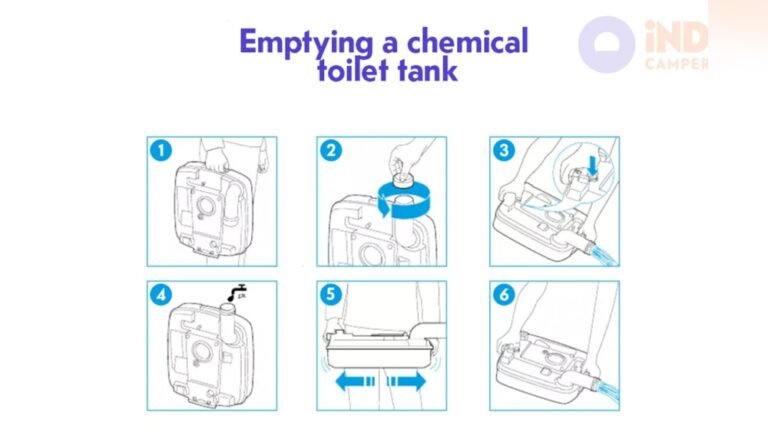
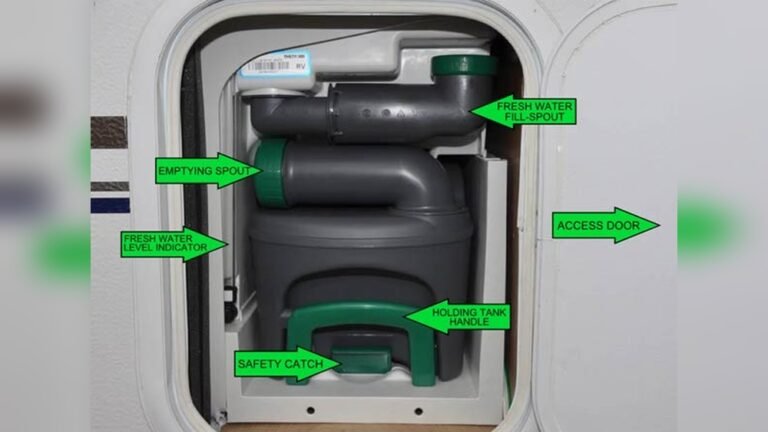
| Portable Flush Toilet | Small tank, water flush | Yes (taller for small kids) | Needs emptying at dump site |
| Folding Toilet | Folds flat, uses disposable bags | Yes (low to ground) | Bag disposal after use |
| Composting Toilet | Separates waste, no water | Sometimes (complex for toddlers) | Regular compost removal |
| Disposable Urinal | One-time use pouch | Yes (for emergencies) | Dispose after use |
Key Insights
- Seat height matters. Many camping toilets are made for adults. A toilet that’s too tall or too wide can make kids feel unsafe. Low, sturdy models or folding toilets are easier for small children.
- Simple is better. Young kids do best with toilets that don’t require flushing or complicated steps.
When Can Kids Start Using Camping Toilets?
Most children can use a camping toilet once they are potty trained. For many, that’s around age 2–3, but every child is different. Younger children may need more help, especially at night or in the dark.
What to watch for:
- Can your child climb up safely?
- Can they balance on the seat?
- Are they comfortable with new routines?
If your child is still in diapers, a camping toilet is not necessary—but it can be a backup for changing.
How To Teach Kids To Use A Camping Toilet
Kids need guidance, especially in new situations. Here’s a simple approach that works for most families.
- Practice at home. Let your child try the camping toilet in your bathroom before the trip. Show them how to use it and explain why it’s different from home toilets.
- Keep it familiar. Bring a step stool, their favorite wipes, or even a night light to make the experience less scary.
- Give privacy. Set up a small tent or privacy shelter if possible. Kids are less anxious when they feel hidden from view.
- Stay close but don’t hover. Younger children may want you nearby, but give them space if they ask for it.
- Show the clean-up. Explain (simply) what happens to the waste, so they aren’t surprised by bag changes or the flushing noise.
Common Mistakes
- Forgetting to check seat height for small kids.
- Not practicing before the trip.
- Ignoring your child’s fears or questions.
Safety And Hygiene Tips
Kids are more sensitive to germs and accidents. Cleanliness is key.
- Always use biodegradable liners or bags.
- Bring hand sanitizer, soap, and extra wipes.
- Dispose of waste in approved bins or dump stations.
- Keep the toilet stable on flat ground to prevent tipping.
Quick tip: Assign an adult to check and clean the toilet after each use if you have young children.
Comparing Camping Toilets For Kids
Here’s a side-by-side look at two popular camping toilet types for families:
| Feature | Bucket Toilet | Portable Flush Toilet |
|---|---|---|
| Weight | Light (2–4 lbs) | Medium (10–15 lbs) |
| Setup | Very easy | Simple, but needs filling/emptying |
| Best For | Young kids, emergencies | Older kids, longer trips |
| Cleanliness | Bags limit mess | Needs dumping tank |
| Cost | Low ($20–$40) | Higher ($70–$150) |
Insight: If you are car camping with young kids, the bucket toilet is often easier and less stressful. For longer trips or older children, a flush toilet gives more comfort but requires more maintenance.

Credit: www.amazon.com
Real-life Challenges And How To Solve Them
Fear And Embarrassment
Kids may be nervous about using a new type of toilet, especially if it’s noisy, smells different, or is outside a tent. Reassure them that everyone needs to go, even grownups. Share your own stories or laugh about funny “toilet adventures” to break the ice.
Nighttime Bathroom Trips
Walking to a dark, cold toilet at 2 a. m. is no fun. Place the camping toilet close to your tent (but not inside, for smell reasons), and use a small lantern or glow stick to light the way.
Privacy Concerns
A simple pop-up tent or even a large towel can act as a shield. Make sure siblings or friends know to give privacy too.
Accidents And Clean-up
Accidents happen, especially with young campers. Pack extra clothes, wipes, and trash bags. Teach kids that mistakes are okay and part of the adventure.
Practical Tips For Happy Campers
- Let kids decorate the privacy tent or toilet with stickers. It helps them feel in control.
- Use a reward system for younger kids who try the camping toilet without fuss.
- Always check toilet supplies before you leave home—liners, wipes, sanitizer, and a spare roll of toilet paper.
Insider tip: Some camping toilets have “child seats” you can add for extra safety and comfort. These are worth considering if your child is small or nervous.
When Camping Toilets Are Not The Best Option
Camping toilets are not perfect in every situation. In some cases, it’s better to use other solutions:
- Very young children: If your child is still in diapers, stick with a portable changing pad.
- Backpacking: If you need to travel light, a disposable urinal or simple “wag bag” might be easier than a full toilet.
- Crowded campsites: If there are clean, child-friendly restrooms nearby, those may be more convenient.
Always balance comfort, safety, and the rules of your campground.
Environmental Concerns
Some parents worry about the impact of camping toilets. The good news: many modern camping toilets use biodegradable bags and chemicals that are safe for the environment. Always use approved products and dump waste at proper stations—not in nature.
For more information about eco-friendly camping toilets, check the guidelines from the National Park Service.

Credit: www.walmart.com
What Most Beginners Miss
- Disposal rules vary. Not all parks allow you to throw away used bags in regular trash. Check local rules before you go.
- Kids need time to adjust. Expect a few accidents or complaints at first. Patience makes the process smoother.
Are Camping Toilets Worth It For Kids?
Camping toilets are not always glamorous, but they offer real comfort and peace of mind. For most families, the answer is yes—they are worth it. A child who feels comfortable going to the toilet is a happier camper. And a happy camper means a happier parent.
But be honest about your needs. If your child hates the idea or you camp only in fully equipped sites, you may not need one. For most families, though, a simple, portable toilet is a smart investment.
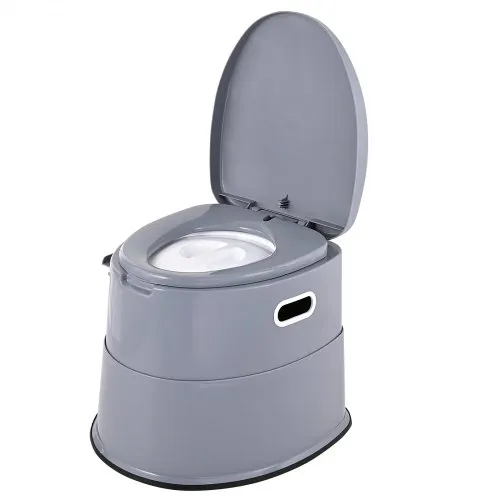
Credit: www.vevor.co.uk
Frequently Asked Questions
How Do I Clean A Camping Toilet After My Child Uses It?
Clean the toilet right after each use if possible. Use disposable gloves, eco-friendly cleaning spray, and wipes. Always wash hands or use sanitizer. If you use bags, tie them tightly and store them in a sealed container until you can throw them away.
Are Camping Toilets Safe For Toddlers?
Yes, but choose a model with a low seat and stable base. Always supervise toddlers, and never leave them alone near the toilet. Non-slip surfaces and “child seat” adapters add safety.
Can Kids Use A Camping Toilet At Night?
Yes. Keep the toilet close to your tent and light the path with a lantern or glow stick. Have wipes and a water bottle nearby for easy clean-up. Make sure your child knows the routine before bedtime.
What Do I Do If My Child Refuses To Use A Camping Toilet?
Stay calm. Try practicing at home, making it fun, or letting them decorate the toilet. Don’t force them—sometimes, seeing a parent or sibling use it helps. If all else fails, use the campsite facilities if available.
Is It Legal To Dispose Of Camping Toilet Waste Anywhere?
No. Always follow campsite rules. Most parks require you to use designated dump stations or sealed waste bins. Never dump waste in rivers, lakes, or the ground. Check local laws before your trip.
Camping with kids means new adventures—and sometimes, new toilet routines. With the right approach, camping toilets can make your trip cleaner, easier, and a lot less stressful. Happy camping!