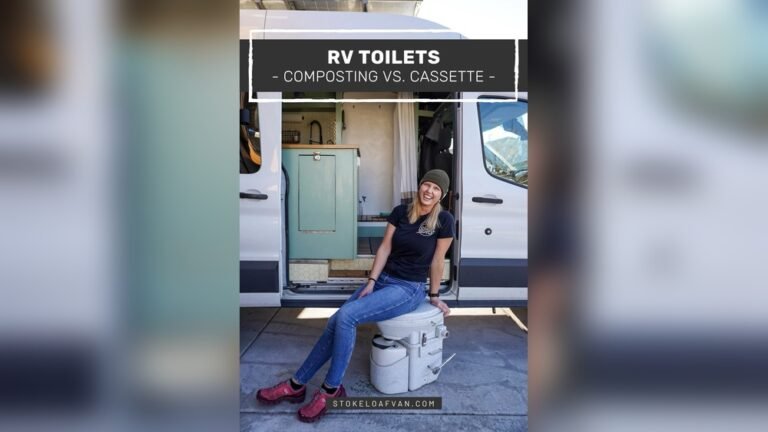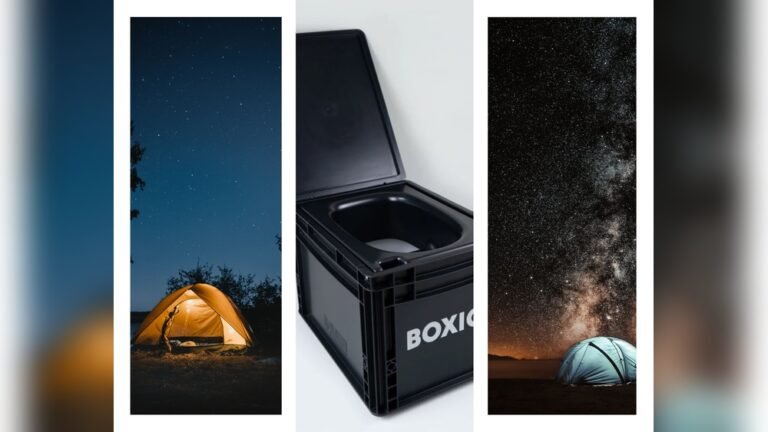
How to Use a Composting Toilet While Camping: Easy Guide
Camping trips should feel like an escape from stress—not a battle with messy toilets or awkward bathroom moments. Yet, many campers have stories about smelly, dirty pit toilets or late-night walks to a cold, distant outhouse. Even worse, some end up digging “cat holes” in hard, rocky ground or worry about breaking campsite rules.
If you’ve felt this frustration, you’re not alone.
Many outdoor lovers are now switching to composting toilets for camping. These portable toilets promise a cleaner, more comfortable solution. But using one isn’t always as simple as “just go and forget it.” There are steps, rules, and a learning curve. This guide will show you exactly how to use a composting toilet while camping—so you can stay clean, follow the rules, and enjoy your trip without stress.
Why Consider A Composting Toilet While Camping?
Traditional camping toilets are often smelly, hard to clean, or even illegal in some places. Digging holes damages the environment and can break local laws. Public toilets can be far away, dirty, or closed at night.
A composting toilet changes this. You get a private, odor-free, and eco-friendly bathroom—right at your campsite or inside your RV. Composting toilets turn waste into safe compost, so you protect nature and avoid health risks. They are especially useful for:
- Remote camping with no facilities
- Long stays at one site
- Family trips where kids need comfort
- Leave No Trace camping
But, are they really as easy as some ads say? Let’s break down how to use them, what to expect, and what most guides don’t tell you.
How A Composting Toilet Works
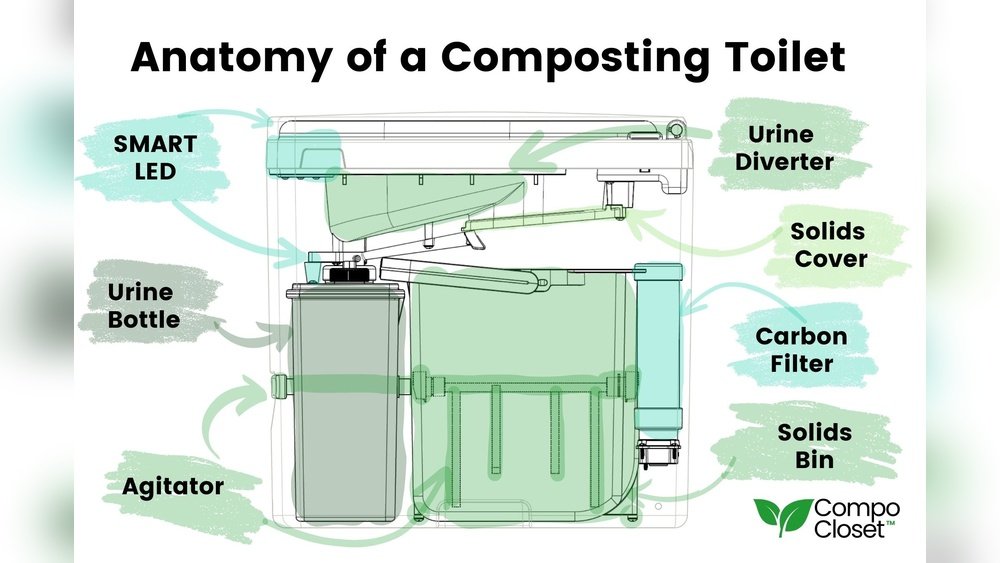
A composting toilet uses no water. It separates liquids (urine) and solids (feces). Solids mix with a carbon-rich material like sawdust, peat moss, or coconut coir. Good airflow helps break down waste and control smells.
Here’s what happens inside:
- You go—liquids and solids are separated.
- Solids drop into a container with cover material.
- Cover each use with more sawdust or other material.
- Air vents move odors outside and speed up composting.
- Liquids collect in a bottle for safe, easy emptying.
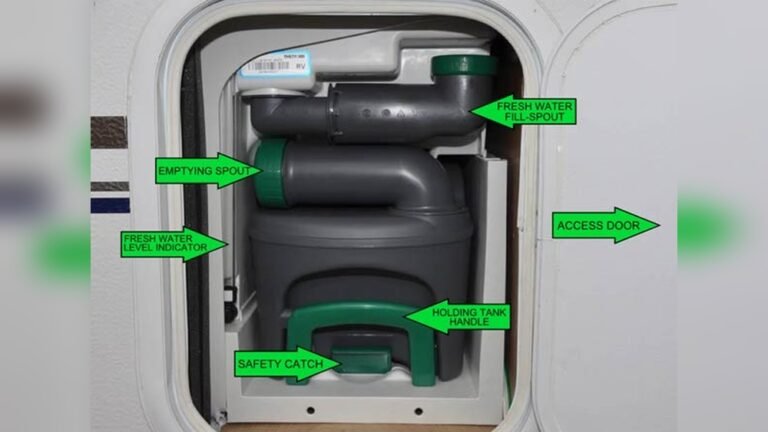
Most portable composting toilets are simple to set up and clean. But, using them right takes some practice.

Credit: www.rhinousainc.com
Choosing The Right Composting Toilet For Camping
There are many brands and models. Each has different features, sizes, and prices. How do you pick the right one?
Key Factors To Consider
- Capacity: For solo campers, a small toilet may last days. Families need a larger one.
- Weight and Size: Will it fit in your car, van, or tent? Can you carry it easily?
- Separation: Good models keep liquids and solids apart—this controls odor.
- Ease of Use: Some have handles, liners, or built-in fans.
- Emptying and Cleaning: How often will you need to empty it? Is it easy or a hassle?
- Price: Expect to pay $100–$900 depending on quality.
Common Mistakes When Buying
Many beginners choose the cheapest model, only to find it leaks, smells, or breaks. Others buy a big one that’s hard to move. Always check real user reviews, not just product claims.
For detailed reviews and specs, see the Wikipedia guide to composting toilets.
Setting Up Your Composting Toilet At Camp
Proper setup is key to a good experience. Here’s how to do it right:
Pick A Good Location
- Place the toilet on flat, stable ground.
- Keep it away from food and water sources.
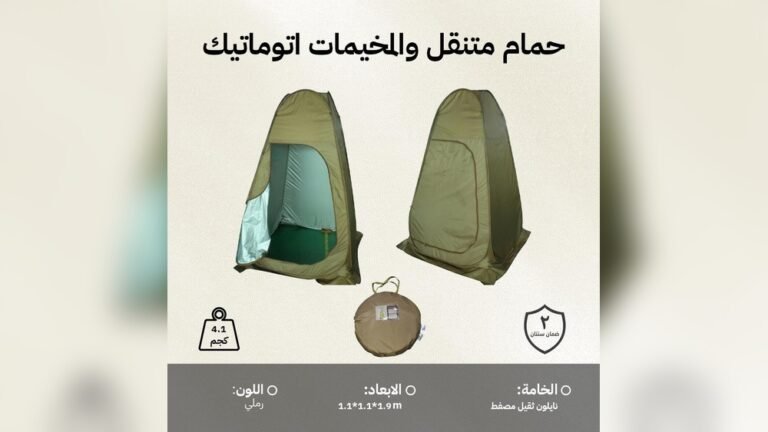
- Choose a spot with privacy—inside a tent, privacy shelter, or camper.
Prepare The Toilet
- Add a layer (about 2 inches) of sawdust, peat moss, or coconut coir to the solids container.
- Check the urine bottle is empty and secure.
- Make sure air vents and fans (if any) are working.
Keep Supplies Handy
Have these items nearby:
- Extra sawdust or cover material
- Toilet paper (eco-friendly, fast-breaking)
- Hand sanitizer or wipes
- Spray bottle with water/vinegar for cleaning
Weather Tips
In cold weather, keep the toilet inside your tent or van. Composting slows down in freezing temps, but still works for a few days if you add enough cover material.

Credit: www.amazon.com
Using A Composting Toilet: Step-by-step
Let’s break down the process. It’s simple, but small habits make a big difference.
- Open the lid and sit (or stand, if using a urinal funnel for men).
- Go to the bathroom. Make sure urine goes in the right spot—most toilets have a divider.
- Add cover material over solids. Use enough to hide waste and keep it dry.
- Close the lid tightly after each use.
- Wash hands with sanitizer or wipes.
Odor Control Tips
- Always add enough cover material.
- Never let liquids mix with solids.
- Empty the urine bottle daily.
- Air out the toilet if you notice smells.
For Families And Groups
Teach everyone (even kids) how the toilet works. Many problems happen when people forget to add cover or mix up the containers.
Comparing Composting Toilets Vs Other Camp Toilets
Here’s how composting toilets stack up against the most common options:
| Type | Odor Control | Eco-Friendly | Ease of Use | Maintenance |
|---|---|---|---|---|
| Composting Toilet | Good | Excellent | Simple | Weekly Emptying |
| Chemical Toilet | Fair | Poor | Easy | Frequent, Chemicals Needed |
| Pit Toilet | Poor | OK | Depends on Site | Site Staff Only |
| Cat Hole | Depends | OK | Labor Intensive | Daily Digging |
Many campers find composting toilets are the best mix of comfort and sustainability—if used properly.
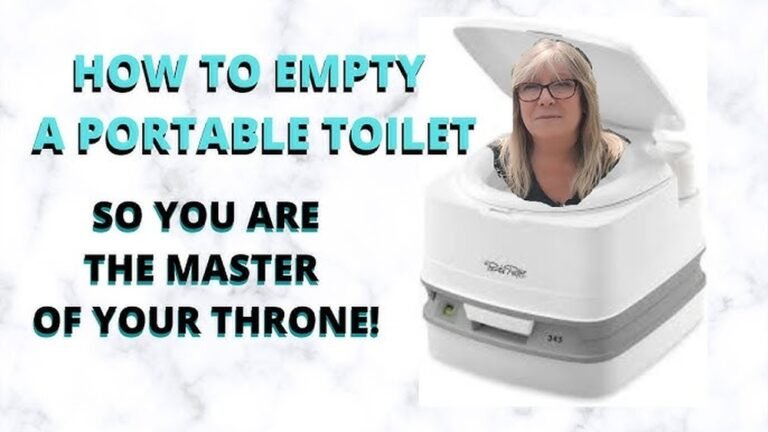
Emptying And Disposing Of Waste
Many first-time users worry about emptying the toilet. Here’s what you need to know:
Urine
- Urine is usually collected in a bottle.
- Empty it daily, away from water sources and campsites.
- Dilute with water if pouring on soil. Or use a public toilet or RV dump.
Solids
- Wait until the container is 2/3 full.
- Solids should be dry, covered, and odorless.
- For long trips, carry waste out in a sealed bag (double-bagged) or approved container.
- Never bury or dump waste in sensitive areas.
Where To Dump?
- Use RV dump stations, public toilets, or approved compost piles.
- Check park rules—some require you to pack out all waste.
Cleaning Tips
- Rinse containers with water and vinegar.
- Dry before reassembling.
- Wear gloves if needed.
Common Problems And How To Solve Them
Even good toilets can cause trouble if used wrong. Here are some real issues, and how to fix them:
Odor Problems
- Usually caused by not enough cover material or mixing liquids and solids.
- Solution: Add more sawdust, empty liquids often, and check air vents.
Flies Or Bugs
- Can appear in hot weather if the toilet is not closed tightly.
- Solution: Use extra cover material, and keep the toilet clean and closed.
Leaks
- Cheap toilets can leak if tipped or overfilled.
- Solution: Don’t overfill. Choose a model with sturdy seals. Always empty before moving.
Running Out Of Cover Material
- Many new users underestimate how much sawdust or coir they’ll need.
- Solution: Bring at least twice as much as you think you’ll need.
Practical Tips For Using A Composting Toilet While Camping
Many guides skip over these small, but important tips:
- Bring a spare container for cover material—wet sawdust is hard to use.
- Line the solids bin with a compostable bag for easy emptying.
- If camping in bear country, store the toilet securely at night.
- Use unscented toilet paper—it breaks down faster.
- Mark the urine bottle so kids don’t mix it up.
Real-world Example: Weekend Trip
Here’s how one family used a composting toilet on a 3-night camping trip:
- Four people, one toilet, one privacy tent.
- Used about 2 gallons of coconut coir.
- Emptied urine daily at campground restroom.
- Solids stayed odor-free, only half full after trip.
- No complaints from kids, and no mess to clean up at home.
This shows most families can use a composting toilet for several days with little hassle—if they follow simple steps.
Comparing Popular Portable Composting Toilets
Below is a quick look at three popular models campers use:
| Model | Weight | Capacity | Price Range | Special Features |
|---|---|---|---|---|
| Natures Head | 28 lbs | 2-4 weeks (2 people) | $900 | Stirrer, Fan, Large Tank |
| Separett Tiny | 16 lbs | 1-2 weeks | $700 | Urine Bottle, Easy Install |
| OGO Compost Toilet | 28 lbs | 2-4 weeks | $1200 | Electric Mixer, Compact |
Prices and features can change, but these options show what’s possible at different price points.
Environmental Impact: The Real Benefits
Using a composting toilet helps keep nature clean. The average camper produces 1–2 pounds of waste per day. If everyone buries or leaves waste, it harms water, wildlife, and ruins campsites.
Composting toilets:
- Reduce pollution
- Protect drinking water
- Prevent spread of disease
- Help you follow Leave No Trace principles
But, you must use and empty them correctly. That’s key for real environmental benefit.
Two Insights Beginners Often Miss
- Compost needs air—If you pack waste in tight or forget to stir (if your model requires it), composting slows and smells increase. Let air flow in.
- Cover material is crucial—Running out means instant odor and mess. Always overpack your cover supply.
Frequently Asked Questions
How Often Should I Empty A Composting Toilet While Camping?
Usually, empty the urine bottle every day. Empty the solids bin when it’s 2/3 full or after your trip. Don’t let it overflow—this causes odor and makes cleaning harder.
Can I Use Regular Toilet Paper In A Composting Toilet?
Yes, but unscented, fast-dissolving toilet paper is best. It breaks down faster and won’t clog the system.
What’s The Best Cover Material For Camping?
Coconut coir, peat moss, or fine sawdust all work well. They’re dry, easy to store, and control odors. Never use wood chips—they don’t cover well.
Is It Legal To Use A Composting Toilet Everywhere?
Not always. Some parks or countries have strict rules. Always check local regulations and follow Leave No Trace. Dump waste only in approved places.
What Should I Do If My Toilet Starts To Smell?
Add more cover material, empty the urine, and check for leaks. If it still smells, clean the bin and make sure the air vent is open.
Camping with a composting toilet is a simple way to protect nature and make your trip more comfortable. With the right setup and habits, you’ll never dread “bathroom time” at camp again.

Credit: myboxio.com