Camping Costs Revealed: What You’ll Really Pay
Figuring out how much does camping cost isn't about finding one magic number. It depends entirely on your style, location, and gear status. A weekend in a national park with rented equipment hits your wallet differently than a month of free dispersed camping with owned gear.
Our research shows the median total for a three-night trip ranges from $150 to $600. This variance stems from fixed site fees versus variable consumables. Let's break down the specific costs so you can build an accurate budget for your next adventure.
Quick Answer: The Real Cost Breakdown by Camping Style
Most campers spend between $25 and $50 per night on site fees alone. Add $15 to $25 daily for food if you cook yourself. Gear rental adds $40 to $80 nightly for beginners.
Owning your kit drops that cost to zero after the initial buy. Dispersed camping on Bureau of Land Management (BLM) land remains free but requires self-sufficiency. Always factor in fuel and entrance passes like the America the Beautiful Pass at $80 annually.
Step 1: Calculate Your Site and Entry Fees (The Fixed Costs)
Site fees are the most predictable expense in your camping budget. National Park Service (NPS) data indicates standard frontcountry sites average $20 to $35 per night. State parks often charge slightly less, ranging from $15 to $25.
However, these numbers exclude reservation service fees. Platforms like Recreation.gov typically add a flat transaction fee of $9 to $10 per booking.
Entrance fees also apply unless you hold an annual pass. The America the Beautiful Pass costs $80 and covers entry to all federal lands for a year. If you visit more than three times annually, this pass pays for itself quickly.
For single visits, expect vehicle entry fees between $25 and $35 depending on the park.
| Camping Type | Avg. Nightly Fee | Reservation Fee | Annual Pass Value |
|---|---|---|---|
| National Park | $25 – $35 | $9 – $10 | High ($80/yr) |
| State Park | $15 – $25 | $5 – $8 | None (usually) |
| Private Campground | $40 – $75 | Varies | None |
| Dispersed (BLM/USFS) | $0 | $0 | N/A |
Don't forget firewood. Many parks prohibit bringing wood from home to prevent invasive species. You'll likely need to buy locally for $5 to $10 per bundle.
Check where-to-dump-portable-toilet-waste if you're using RV facilities, as dump station fees sometimes apply separately.
Step 2: Factor In Gear Acquisition vs. Rental (The Biggest Variable)
Your gear strategy dictates whether your first trip is cheap or expensive. Renting allows you to test interest without heavy upfront investment. Aggregate user reviews show basic kits rent for $40 to $80 per night.
This includes a tent, sleeping bags, pads, and a stove.
Buying gear offers long-term savings but requires capital. A reliable two-person tent costs $200 to $400. Quality sleeping bags run $100 to $300 each.
A complete starter kit for two people averages $800 to $1,500. Amortize this over ten trips, and your per-trip gear cost drops significantly.
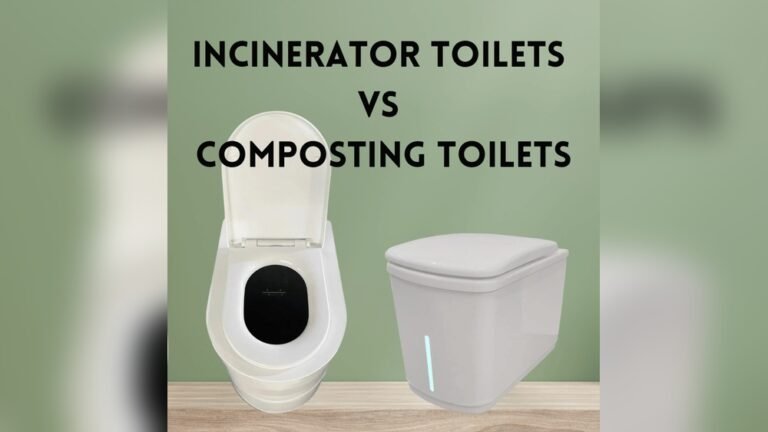
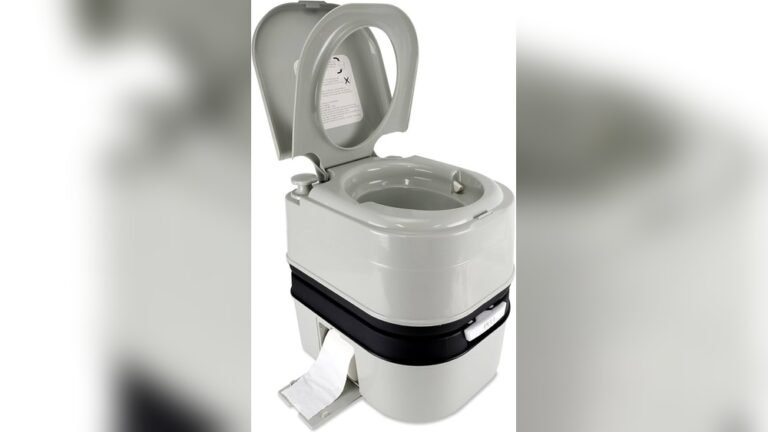
Consider sanitation needs early. If you lack access to flush toilets, you'll need a portable solution. Options range from simple bucket setups to advanced units.
Reviewing portable-toilet-vs-composting-toilet helps determine which system fits your hygiene standards and budget. Composting units cost more initially but save on chemical refills later.
For short trips, renting makes sense. For frequent campers, buying pays off within five outings. Ensure you have proper lighting and cooking tools too.
A basic camp stove costs $50 to $100. Propane canisters add $5 to $8 each. Don't overlook small items like headlamps ($20) and repair kits (camping-toilet-repair-kit-guide covers similar maintenance logic for sanitary gear).
Step 3: Estimate Daily Burn Rate for Food, Fuel, and Extras
Food is your largest recurring variable cost. Cooking on-site keeps budgets low. Plan for $15 to $25 per person per day.
This assumes simple meals like oatmeal, sandwiches, and foil-pack dinners. Eating out at park lodges or nearby towns triples this amount.
Fuel costs depend on distance and vehicle efficiency. Calculate round-trip mileage plus local driving. With gas prices hovering around $3.50 per gallon as of 2026, a 200-mile trip in a 25 mpg SUV costs roughly $28.
Add ice, beverages, and snacks for another $20 to $30 total.
Miscellaneous expenses often catch beginners off guard. Firewood, permits for special activities, and emergency supplies add up. Buy a dedicated cooler bag rather than disposable ice chests to save money long-term.
If you plan extended stays, laundry services cost $4 to $8 per load.
Hygiene products matter too. Biodegradable soap protects water sources while cleaning dishes and bodies. Stock up on toilet paper and wipes.
For detailed advice on maintaining cleanliness in remote areas, consult resources on camping-toilet-paper choices that dissolve properly. Skipping these small purchases leads to uncomfortable situations and unexpected store runs mid-trip.
Frequently Asked Questions About Camping Budgets
Is camping cheaper than staying in a hotel?
Yes, generally speaking. Even with gear rentals, a family of four saves 50% compared to mid-range hotels. You control food costs by cooking.
Hotels charge for rooms regardless of occupancy. Camping fees remain static per site. Over time, owning gear amplifies these savings significantly.
How much should I budget for a first-time camping trip?
Allocate $300 to $500 for a weekend. This covers rental gear, site fees, food, and fuel. Assume you’ll buy some basics like sunscreen or bug spray.
Don’t skimp on sleep comfort; poor rest ruins the experience. Prioritize quality sleeping pads over expensive tents initially.
Do I need an annual park pass to save money?
If you visit federal lands twice a year, yes. The $80 pass replaces $25-$35 daily entry fees. Three visits break even.
State parks don’t accept this pass, so check their separate systems. Some states offer lifetime resident passes for modest one-time fees. Evaluate your travel frequency before purchasing.
What hidden costs surprise new campers most?
Firewood restrictions and reservation fees catch people off guard. Many assume wood is free or included. It’s rarely either.
Also, cell service gaps mean you can’t easily split bills digitally. Bring cash. Unexpected weather gear repairs also drain budgets.
Pack layers to avoid panic-buying jackets at gift shops.